Galatyn Commons Office Campus Brings Newly-renovated Building to Market

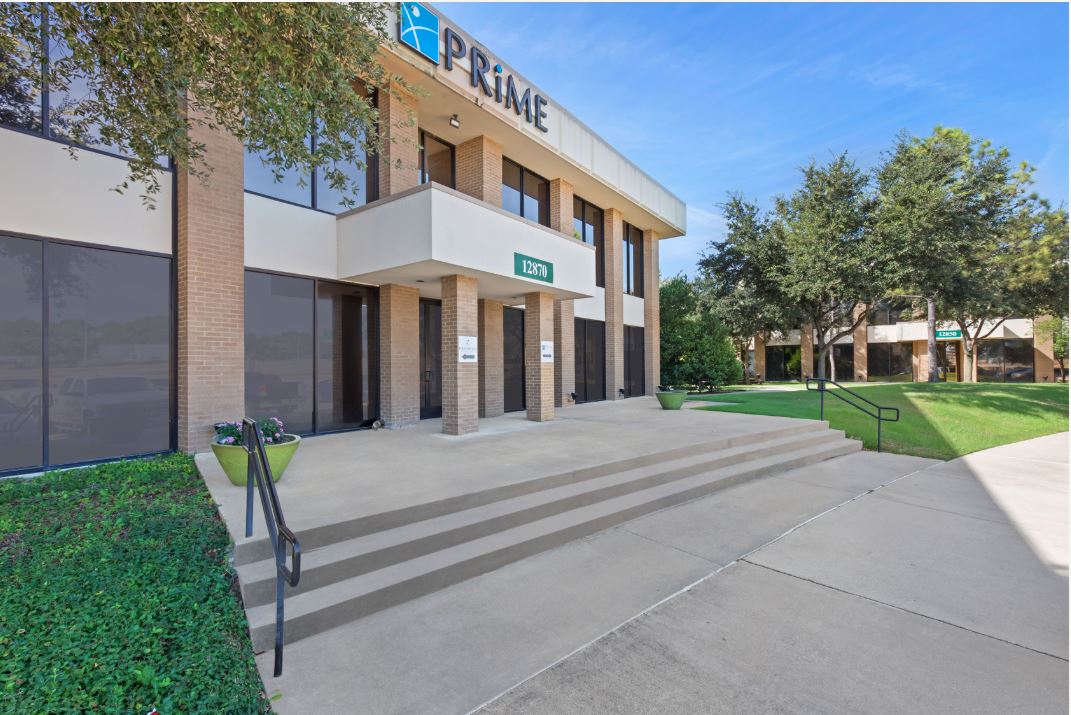
Mapletree has appointed Cushman & Wakefield to market the newly renovated Class-A office building within the Galatyn Commons office campus in Richardson. This 215,394-square-foot Class-A block of space is the first availability Galatyn Commons has had in two years.

The new space is one of the four buildings within the Galatyn Commons office campus. This leasing opportunity will complement the other three fully renovated office buildings within the Galatyn Commons Campus by providing the newest features and amenities to assist corporate users with their need to attract and retain employee talent.

The five-story building will appeal to a variety of corporate users. Several tenants, including companies from the financial, healthcare, real estate and aerospace sectors have signed large, long-term leases at Galatyn Commons since the recent renovation at its three other buildings, bringing the campus to 100% leased.

The 800,000-square-foot, four-building Galatyn Commons Class-A office campus is known as the most amenity rich office campus in Richardson. Renovation work within Building-C, located at 2380 Performance Drive, will complete the campus-wide renovations across all four buildings. The renovation work will be completed summer 2023 and Cushman & Wakefield is already in the process of proposing this new leasing opportunity to companies.

Galatyn Commons Campus amenities include the real chef multi-station food hall with 300-seat dining area, coffee shop and grab-and-go food service, 10,000-square-foot fitness and wellness center, outdoor kitchen with grill stations, bocce ball courts, fire pit, outdoor amphitheater with 1,000-seat capacity, outdoor seating and dining areas within vast Wi-Fi outdoor areas, 150 seat conference center, and multiple Wi-Fi enabled lounge and collaboration areas. LEED and WELL certifications are expected to be granted in 2022. The campus also features a food truck court and restaurants within the expanded campus.

Located near the Southeast corner of Highway 75 and 190, the office park provides immediate access to a dense employee base and is located next to the Renaissance Dallas Richardson Hotel, the Galatyn Park DART station, Eisemann Center for Performing Arts, more than 700 apartments and residential units, Spring Creek biking trails and nature reserve, and close access to the CityLine retail area.

Ascent Solutions Brings Cybersecurity to Cypress Waters

JLL is pleased to announce Ascent Solutions as the newest tenant of Cypress Waters located at 2999 Olympus Boulevard in Coppell. With plans to move to the new space in early 2023, Cypress Waters will serve as the company’s cybersecurity epicenter.

Occupying 33,000 square feet and the entirety of the seventh floor, Ascent’s Texas epicenter will bring the proven success of its unique apprenticeship program and build it to scale in the greater DFW area. In addition to being the global hub for education and professional development for the next generation of cybersecurity experts, creating a lower barrier to entry for the best cybersecurity jobs, and filling talent gaps for the world’s largest companies, Ascent will also operate as a world-class cybersecurity center of excellence for the world’s largest organizations; host seminars and innovation workshops with the nation’s foremost cybersecurity thought leaders to develop solutions to the most-pressing cybersecurity problems; and be a global think tank to solve the most difficult cyber challenges in the world.

Ascent’s leadership selected Cypress Waters due to its opportunity to expand across the campus, the breadth of desirable amenities including spacious conference rooms, easy access to neighboring restaurants, retail establishments and DFW airport and a breathtaking view of the Sound. Ascent’s space will also include a custom-built, stadium seating arena to host its interactive events.

Cribb Altman of JLL and Shannon Reilly of Reilly Commercial represented Ascent and Billingsley Company is the developer.

Newly Built Class A+ Industrial Park in San Antonio Trades

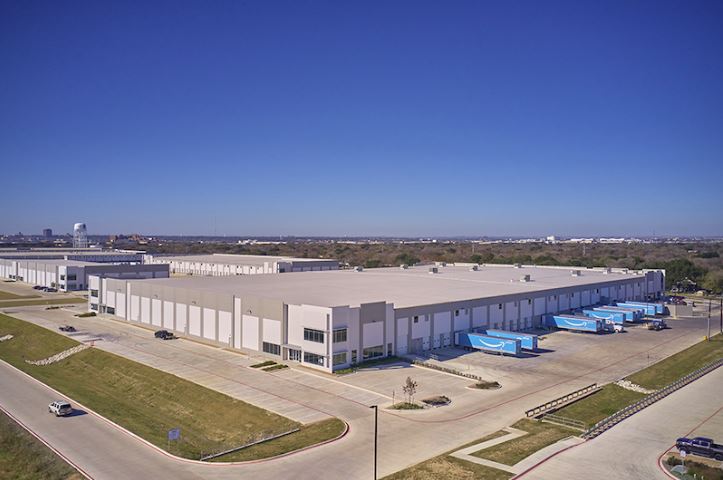
JLL Capital Markets announced the closing of the sale of Corner Ridge Crossing, a four-building, Class A+, last-mile industrial park totaling 576,047 square feet in San Antonio.

JLL marketed the property on behalf of the seller, Hines. Leading global investment firm KKR acquired the asset through its Americas opportunistic equity real estate fund.

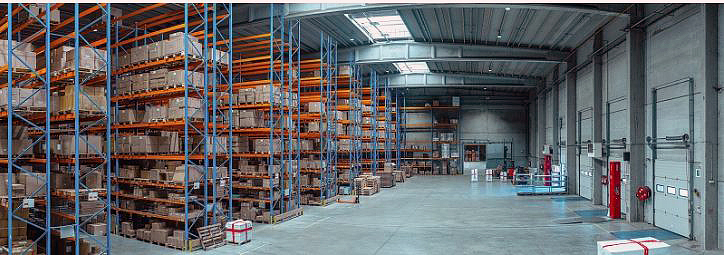
Completed in 2020, Corner Ridge Crossing is leased to a strong mix of national and regional tenants, including publicly listed multinational e-commerce and food & beverage companies. The property includes four industrial facilities: one cross-dock, one front-load and two rear-load buildings. Each building has clear heights of 28 to 32 feet, 28- to 60-foot dock high doors and truck courts ranging from 130 to 210 feet.

The buildings are located inside of the master planned Cornerstone Industrial Park which is in a strategic infill location in the San Antonio-New Braunfels metropolitan statistical area with immediate access to Interstate 10, Interstate 35 and Loop 410. These major throughfares provide access to four major cities in less than four hours, including Downtown San Antonio, Austin, Houston and Dallas-Fort Worth.

The JLL Industrial Capital Markets Investment Sales and Advisory team that represented the seller was led by Senior Managing Directors Trent Agnew and Dustin Volz, Director Dom Espinosa and Associates Josh Villarreal and Zach Riebe.

No End to the Boom Times? U.S. Industrial Market Still Thriving

The industrial market has thrived both before and during the COVID-19 pandemic. And this sector is showing no signs of slowing as companies continue to seek or build warehouse space across the Midwest and the country.

Midwest Real Estate News spoke with Alfredo Gutierrez, president and founder of Houston-based industrial real estate investment firm SparrowHawk, about what’s behind this continued surge in industrial activity and whether any slowdown is on the horizon.

We all know that the industrial sector is booming today. What are some of the factors driving this explosion in demand?

Alfredo Gutierrez: There is a lot going on. I am not in the camp that says it is all ecommerce driven. Ecommerce is a function of it, but it is not the driving force. Ecommerce was at plus or minus 16% of all retail sales in 2019. It popped up as high as 22% or 24%. Now it has settled back down at about 20%. It is a bit of a higher percent of sales than before the pandemic. We have seen an acceleration of consumers who might not have otherwise been interested in ecommerce embracing this way of shopping.

Look at someone like my mom. She never would have shopped online. The pandemic forced her to come into it. The growth of the younger generation that is pushing the growth of ecommerce will continue. But now many of the people in the more resistant generations are shopping online, too. Companies need more warehouse and distribution space to get the products to their consumers faster. But clearly ecommerce is not the only thing going on to fuel this demand we are seeing for industrial space.

What else is pushing the demand for industrial real estate?

Gutierrez: Manufacturers have discovered that while labor is cheaper in other countries, it is not as efficient. The United States is the most efficient labor market for employers. That is 100% attributed to the resources and technology we have that makes workers much more efficient. With labor being at such a tight, tight number, it has been forcing companies to invest in technology, artificial intelligence, those kinds of items. It was the only way for companies to continue to grow when it’s been so difficult to find labor. As they are doing this, companies are beginning to relocate their manufacturing back to the United States or near-shoring in Mexico. They want to get that manufacturing closer to home. They might not be saving on labor, but they will save on transportation and shipping. That was occurring before 2020, but it only accelerated during the pandemic, and is now having an impact on the amount of industrial space we need in this country.

The pandemic exacerbated the issue. The manufacturing and inventory components were strained. Now everyone is playing catch-up to get back to the stock levels of 2019. But they also want to add 5% to 10% on top of that. There isn’t enough industrial space now to accommodate that. In 18 months, we are going to be out of space. There is barely a year’s worth of vacant industrial space on the market. And that is assuming that every space works for every tenant. If you are saying we have just 18 months of supply, it is worse than that. We need more industrial space, and that, too, is causing an increase in the demand in this sector.

How much of a challenge are rising labor and materials costs today?

Gutierrez: Everything is getting more expensive. Transportation costs are absolutely on the rise. We all know labor costs are rising, too. Go to your local restaurant and they are looking for staff. I haven’t walked into any business in the last 12 months that says they have everybody they need. There are not enough people at any level to cover the demand for services from Americans. That is a problem, and it is putting further pressure on wage increases across the sector.

Nearly 60% of the inflation we are having is fuel related. That is putting a disproportionate amount of pressure on the industries that rely on fuel. If you are a company that is trucking product around, you are relying on fuel big-time. The cost of labor and the cost of fuel are the two biggest strains for companies in the industrial space today.

It can be difficult for tenants to find industrial space today. Do you see this changing anytime soon?

Gutierrez: It will remain challenging throughout this year. I strongly believe that companies and developers will struggle to find industrial space through 2023. The supply is not there. The time it takes to build buildings has expanded. The projects that were taking nine months from shovels in the ground to delivery are now taking 10 to 12 months. The ones that were taking 12 months are now taking 14 to 16 months. Everyone working in the development side of the equation has seen their lead times increase.

What type of industrial space is especially difficult to find today?

Gutierrez: From what I’ve seen, the smaller units are harder and harder to find. They are not being reproduced. There is not a lot of multi-tenant or small buildings in development because of economies of scale. Developers prefer to build a 6- or 7-million-square-foot building instead of a 200,000-square-foot building that accommodates four or five tenants. Commodity costs hit you more on that smaller unit. It is more expensive to build them.

Are there any markets across the country that you think are especially strong in the industrial sector?

Gutierrez: The Midwest markets and the coasts have the lowest vacancies. Everyone has low vacancies, but most of the Midwest markets have vacancy rates down at 3%. Some are as low as sub-2%. I am more excited about the Midwest product than I am about the product on the coasts. I think that our distribution mode and supply chain models are changing. If you are producing product in Mexico, you need to ship it right up the highway through Dallas and then up to Chicago. You’ll then hit the Midwest markets to distribute it to the U.S. population because of their location in the center of the country. I’m not saying that California will be dead. You will always have product there. But the growth of where the supply chain is going is coming from down south or in the southeast and then funneled through the middle of the country.

Do you have any predictions on when we might see the industrial market cool off?

Gutierrez: Vacancy rates will go up eventually. At some point, you are going to see developers building too much supply. We are not perfect. When developers start putting product out there that they are delivering in 12 months and demand starts to cool halfway through, they have to finish building that space. There is always an overhang. But I don’t think we’ll see a huge amount of overbuilding.

Newmark Arranges Sale of 309-Unit Value-Add Multifamily Property

San Antonio, TX (June 2, 2022) — Newmark announces the sale of Alamo Park, a 309-unit value-add multifamily asset located in northeast San Antonio, Texas. The property traded from Achieve Investment Group—an Austin-based value-add multifamily investment firm— to River Rock Capital, a private real estate investment firm specializing in the acquisition and management of multifamily properties based in Lawrence, New York. Newmark Senior Managing Director Jim Young, Senior Managing Director Matt Michelson and Director Chase Easley represented the seller in the transaction.

“Alamo Park attracted robust interest from both private and institutional investors across the United States, as they were drawn to the asset’s excellent location and San Antonio’s growing economy,” said Young. “The property presented buyers with a compelling value-add opportunity in a submarket surrounded by prominent employment bases and retail areas.”

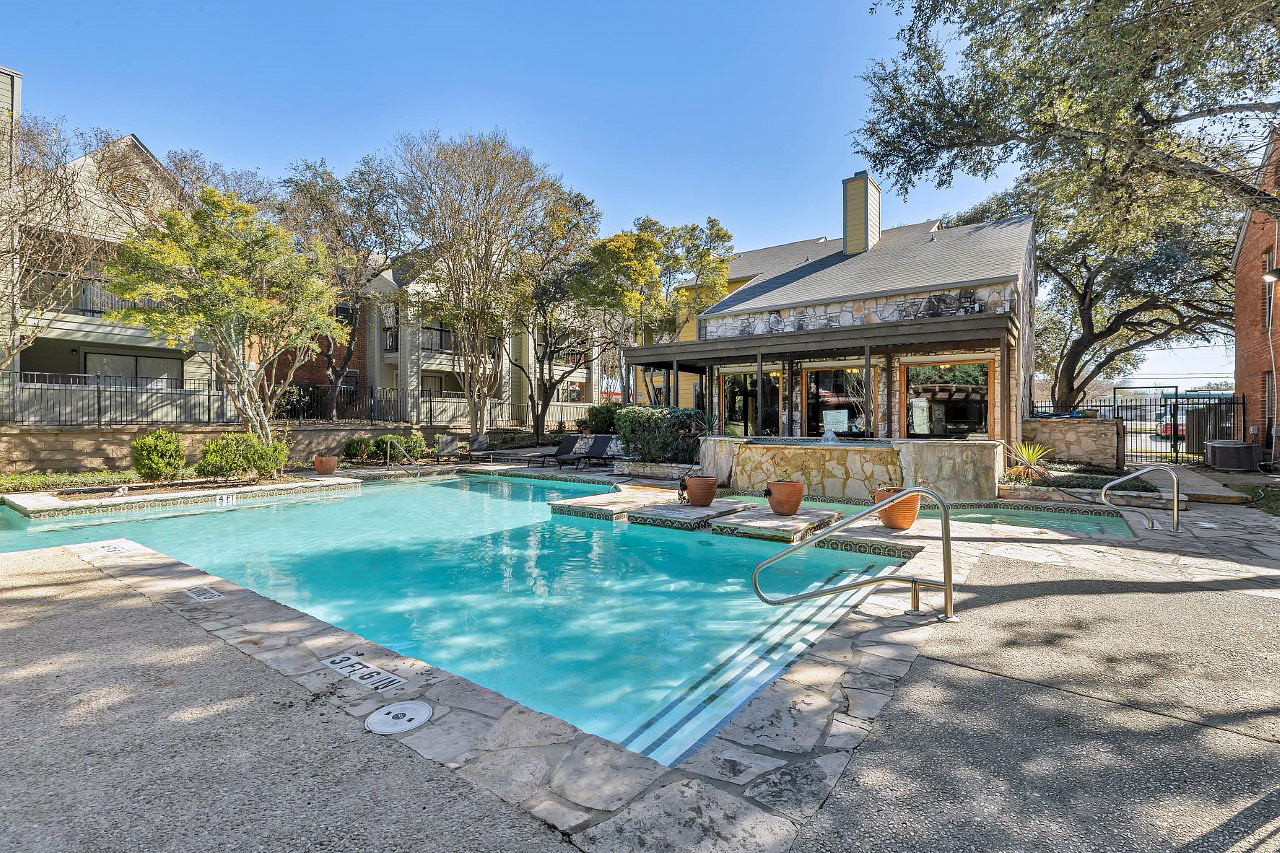
Alamo Park is a 309-unit, garden-style apartment community located at 2355 Austin Highway in San Antonio, Texas. The property features a mix of one- and two-bedroom units with an average unit size of 658 square feet. Unit interiors feature fully equipped kitchens, ceiling fans, walk-in closets, tile surround tub/showers and private patios or balconies. Select upgraded units feature vinyl plank flooring, vaulted ceilings and wood burning fireplaces. Community amenities include swimming pool, fitness center, picnic area with grills, volleyball court, covered parking and gated access. The asset was 94% occupied at the time of sale.

Located in Northeast San Antonio, Alamo Park benefits from a desirable location in proximity to some of the city’s major employers including Amazon, Rackspace, Southwest Airlines and Fort Sam Houston. The property is also proximate to an abundance of mixed-use, retail, entertainment and recreation destinations including Alamo Heights, The Quarry, Terrell Plaza, and multiple golf courses, resorts, and parks.

Following a record 2021, investor demand for multifamily remained robust during the first quarter of 2022 with $63.0 billion in U.S. sales volume, according to Real Capital Analytics data analyzed by Newmark Research. In addition to this volume signifying the largest first quarter on record, year-over-year volume accelerated 65.4%. Trailing twelve-month volume increased to $374.3 billion. Remarkably, major markets in Florida and Texas accounted for 27.3% of total volume over the past 12 months.