



Game Over Video Inc, A Texas Corporation, renewed 2,000 square feet at 5020 FM 1960 West in Houston, Texas. Brent St. Amant represented the landlord, Hartman Income REIT.
Category: Deals & Announcements
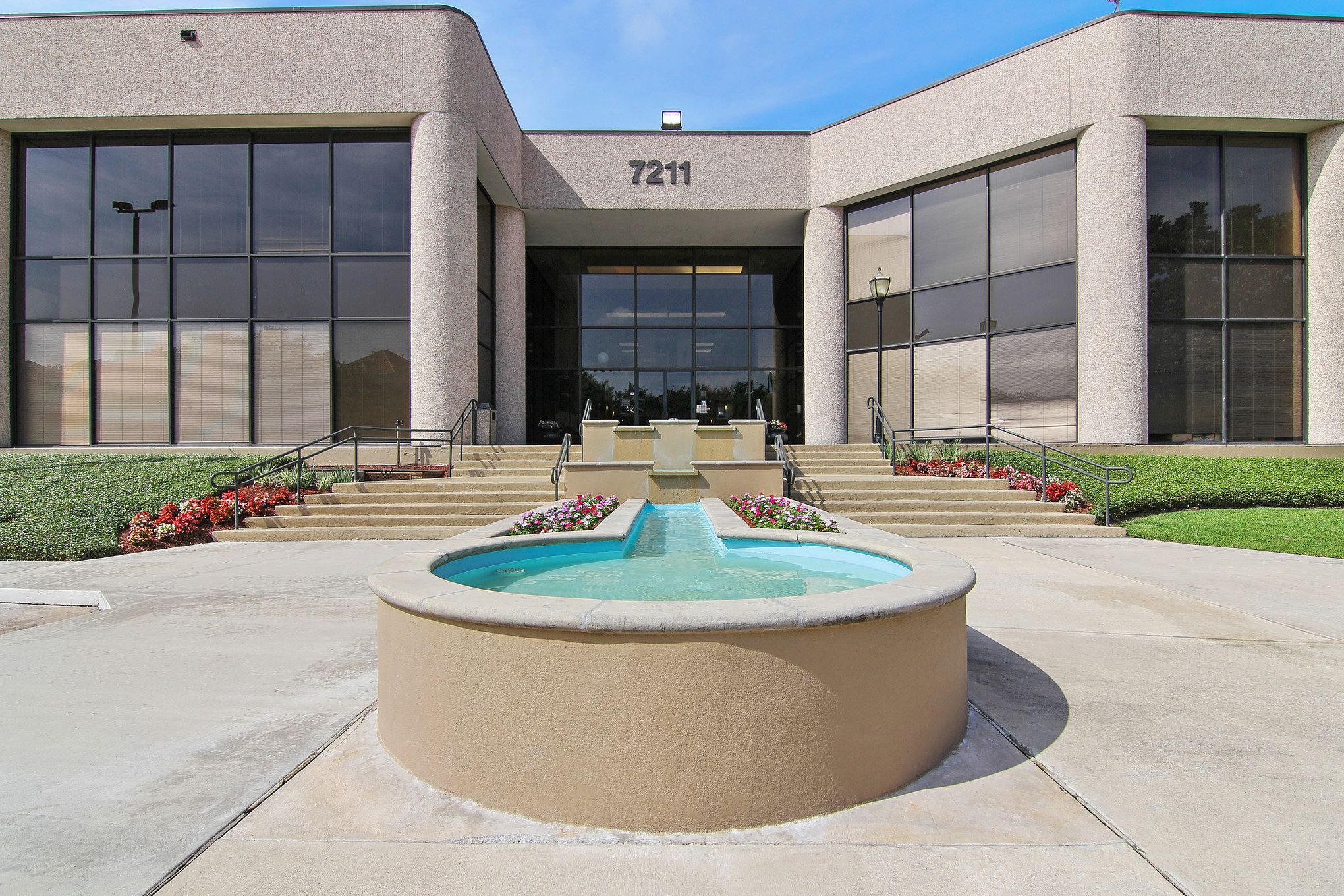
Hunt & Hunt Renewed 3,141 SF at 7211 Regency Square Blvd in Houston
Hunt & Hunt Engineering renewed 3,141 square feet at 7211 Regency Square Blvd in Houston, Texas. Donna Svec represented the landlord, Hartman Income REIT.

Interest-rate Hike Means a Slowdown in Commercial Deals is Inevitable
In its efforts to curb rising inflation, the Federal Reserve on Sept. 21 raised its benchmark interest rate by three-quarters of a percentage point. The Fed also said that it plans to boost this rate in the future to fight inflation.
The Fed also said it will continue to enact hikes until its benchmark rate hits 4.6% in 2023.
This move, of course, sent another ripple of concern through the commercial real estate industry, with CRE professionals wondering how many commercial deals the higher interest rates might scuttle.
We spoke to commercial financing professionals about the Fed’s move and what it might mean for their business. The consensus? Expect a slowdown in activity as investors determine how best to operate in an environment of higher interest rates.
Chad Kiner, Managing Director, Walker & Dunlop, Columbus, Ohio
Let’s start by addressing the big question: What impact has rising interest rates had on the demand for commercial financing?
Chad Kiner: It has certainly impacted demand. Everything rolls downhill. You have the rising interest rates along with the higher costs of construction materials and labor. Everything has bubbled up to a point where it is now starting to affect the liquidity of banks and life insurance companies.
Last December was our first real taste of construction costs going up. But interest rates were still low at that point. When you add in the complexity of an environment in which rates are rising, the uncertainty of what tomorrow looks like, you start to see a pullback in liquidity.

Even with rising rates, are investors still interested in commercial real estate?
Kiner: Rising costs, rising rates and compressed cap rates are all the ingredients from an investor perspective in which you should stay away from real estate. But for the right asset classes, mainly multifamily and industrial, there is still a lot of investor appetite. There is uncertainty in the stock market, too. The stock market has performed poorly this year. That makes commercial real estate an investment opportunity that is still attractive.
From an institutional perspective, the funds, endowments and life insurance companies, real estate will remain a part of their portfolios. We see the appetite for those investment vehicles continuing to grow. It is sort of counterintuitive to what is happening in the market, but we still see a lot of appetite for investment dollars coming into the right asset classes.
Not all commercial real estate assets, though, are viewed as favorably by investors, especially today, right?
Kiner: Hotels, retail and certain portions of office are still looked at as very challenging asset classes today. We were starting to see more activity in these classes before interest rates started rising. We were seeing some capital shift into those sectors. But now that rates are rising, we are starting to see a slowdown again in investor activity in alternative sectors such as office, retail and hospitality.
Overall, though, multifamily and industrial remain very attractive investments. Those sectors are like a bond alternative. Multifamily today, even more than industrial, is viewed as an alternative to investing in bonds. It’s a coupon-clipper investment.
Taking a look at your own local market, how strong is financing activity in Columbus?
Kiner: We are fortunate to be in a market like Columbus. The population here is growing. We are the state capital. We have one of the top universities in the country. There are a multitude of industries here. We don’t rely on just one industry here.
The announcement by Intel that they are going to develop a $40 billion facility in Columbus is another plus. There will be a lot of growth spurred on by that Intel announcement that we weren’t expecting. People are moving here, which will create housing demand. Rents are growing on the multifamily side. Our single-family housing stock is always stressed. Columbus is like a blue-chip stock. We are never going to see our real estate activity rise as fast as it does in some of the southern cities. But in a downturn, we are steady-Eddie stable.
What are the most common types of financing requests that you are seeing today?
Kiner: Multifamily, mixed-use and industrial are the big three. We are doing a financing in Dayton, Ohio, right now. It’s a mixed-use project with a major multifamily component.
When you do receive a financing request, what factors do you consider when deciding whether to take it on?
Kiner: We look at the strength of the market and the strength of the sponsor. Where the property is located is much more important today. The old adage of “location, location, location” will never change. In down times, banks and lenders are also paying close attention to the strength of the sponsor. A lender today might be more likely to do a deal in Columbus because it is such a strong market. It has performed well over a long stretch of time. Lenders also look at where a market has been and where it is today. What is the job growth like?
When it comes to the sponsor, we’ll look at whether we’ve done business with the sponsor before. Can we trust them? What are their strengths? If something goes wrong, can they still write a check? Is the project they are bringing to us sustainable?
It’s difficult to predict, but what do you see in the near future when it comes to the demand for acquisition financing?
Kiner: There is going to be a lot more thoughtfulness from investors on where they want to put their money. We are going to see a lot more discernment. I think we’ll see a general pullback. Investors will still invest in real estate. What are the alternatives? But there will be some pullback as investors wait to see where rates will land.
Sam Miller, Senior Vice President, Bellwether Enterprise, Columbus, Ohio
Conor Lee, Sr Vice President, Bellwether Enterprise, Columbus, Ohio
How has the Fed’s latest hike in its benchmark interest rate impacted demand for commercial financing?
Sam Miller: Obviously, the Fed is going to continue to raise its rate. The Fed made it clear that its target is to get the benchmark rate to 4.6%. This is happening in real time right now, so everyone is feeling it. The rising rates are definitely slowing things down. The higher rates are making deals more challenging to close.
The saving grace for a lot of folks, especially in multifamily, is that rent growth has continued, too. That helps to absorb some of the shock from rising interest rates. The reality is that there is still a massive shortage of housing. There is a lot of demand for housing. And because of that, the demand for multifamily is growing, too, which means that owners can still grow their rents. That is helping to blunt some of the impact from interest rates.

Conor Lee: From a real estate perspective, supply and demand is still in great shape. There is a ton of demand for housing in general. The number of units being developed is not fulfilling that demand. Are there potential layoffs and a recession ahead of us? If so, we might see bad debt creep into collections. We might start seeing occupancy issues. People who are looking for one-bedroom apartments might start looking for two-bedrooms so that they can bunk up with roommates to lower their monthly costs.
Right now, we are still seeing multifamily assets performing well. But what does your capital stack look like? If you have a refinance event, if you have a certain debt load you are at, can you get out of that debt? Can you return equity to your investors? That is challenging when rates are high.
Does it look like multifamily is resilient enough to remain a good investment even during times of higher rates?
Miller: From a housing-market perspective, in some ways we are fortunate that it has been hard to build single-family housing for the last 10 years. When you look at the supply and what the vacant inventory was going into the great financial crisis of 2008 and 2009, it was so much more than it is today. There is not a huge glut of supply sitting there. Most people who own homes are possibly financed at 3.5% or lower. People don’t have to move now. If they don’t have to move, they won’t move. Why trade your 3.5% mortgage for a 6% mortgage? That further makes the case for multifamily. There are going to be more homes that don’t go on the market. That will increase demand for apartment units.
Are you seeing more multifamily supply coming on the market to help meet the high demand for it?
Lee: This is in flux right now. We are already seeing in Columbus developers pulling the plug on or pausing projects. That started because of the rising construction costs. Now with interest rates going up, that pause is going to continue. Couple construction costs with the cost of debt, that makes it more challenging to build anything. Construction lenders are starting to pull back. Underwriting metrics are more challenging. This environment is making it more difficult to get projects out of the ground.
I’ve asked others in the industry this, but even these rising rates are at historic low levels. Is there any acknowledgement of that in the commercial business?
Miller: We have been a little bit of doom-and-gloom here. At the end of the day, though, what is causing a lot of the pain right now is the uncertainty. A 3.75% 10-year treasury is not the end of the world. But expectations need time to reset. If we start to level off and find a place where the Fed stops raising rates and lets things take their natural course, I think everyone will feel better. Everyone will have to adjust, but they will do that. It’s just been a big change in a short period. I’m hopeful we will come out of it with a soft landing. It’s just difficult right now to know where the dominoes will fall.
Lee: Our strategy right now is to keep moving. We are trying to find ways to do deals. There is still a ton of capital out there. There are still a lot of debt providers in the market. As long as capital is still available, people will figure out how to do deals. If capital goes away, then we have a bigger problem.
We’ve talked a lot about multifamily. But how attractive of an investment is industrial real estate right now?
Miller: Industrial has a lot going for it. There is a massive need for more industrial product. From a development standpoint, though, industrial is a little trickier than multifamily. You might have one to three tenants in a typical industrial building. You are entering into long-term leases of five, seven or 10 years with these tenants. The challenge you’ve seen recently is with the increase in costs, both from construction costs that are rising and rising interest rates. You might agree to a 10-year lease with FedEx. You might have agreed to that lease in July, but you’re not able to build until October or November. Suddenly, you’re costs are up 10% because interest rates have gone up. Everything changes so fast now. That million dollars of profit that you were counting on as a builder might now be gone.
But from a fundamentals standpoint, there is still room for rent growth in industrial. The mechanics of getting deals built is changing. Everybody is going through that, but we are seeing it more in industrial.
What are you seeing right now in terms of deal velocity?
Lee: It is definitely slowing down. Things will slow. Velocity will slow. I don’t see how it doesn’t. But as long as capital is available, the market finds itself. We just need calmness. We can’t operate in this day-to-day volatile market. It’s hard to give guidance when things change so quickly.
Hal Collett, Chief Operating Officer, Agency Lending
Colliers Mortgage, Minneapolis
The big question is an obvious one: What impact will the Fed’s latest interest-rate hike have on the demand for commercial financing?
Hal Collett: The rate hike does make things more complicated. There are a lot of factors to consider. You have the rate environment and the Fed trying to catch up and curb inflation. The Fed was probably slow to react and is now trying to catch up, yet we are probably heading toward a recession now anyway. Then you have the general volatility in the economy. You have low cap rates and tremendous rent growth in the multifamily sector. The volatility with interest rates just adds more uncertainty to the commercial real estate market. Add in the geo-political risks and an election year, and you might see people put their pencils down for a while as they adjust.

At the same time, construction costs are rising. Does this increase the chances of a slow down in investment and development activity?
Collett: I think so. The rising construction costs and the delays in getting materials are contributing factors in slowing down development activity. People are more cautious about what they are going to do. Now the rate environment is increasing the cost of capital. That just adds more hurdles to getting deals done.
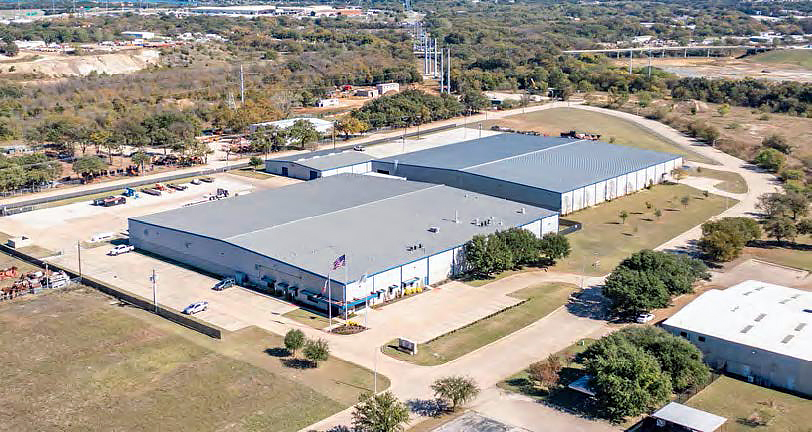
Stream Realty Partners Helps Empire Holdings Sell 9 Warehouses
FORT WORTH, TEXAS – Oct. 20, 2022 – With assistance from Stream Realty Partners and Stan Johnson Company, Empire Holdings has sold a nine-building national industrial portfolio to Philadelphia-based Arden Group, a leading U.S. middle-market real estate fund manager.
Arden Group purchased the approximately 350,000-square-foot, single-tenant portfolio that includes assets across five states. Ranging from 16,000 square feet to 150,000 square feet, the properties are strategically located in major industrial markets with low building coverage and boast outside storage or excess land with opportunities for future growth or expansion. Stream Executive Managing Director and Partner Seth Koschak and Vice President of the Fort Worth Industrial division Jeff Rein represented the seller in the transaction. The national real estate services, development, and investment company is based in Texas, where five of the nine warehouses are located. In addition, Zach Harris and Jeff Hughes of Stan Johnson Company partnered with Stream to co-represent the seller in the transaction.
“After an extensive evaluation of the nation’s top brokerage teams to assist with this sales process, we selected Stream Realty and Stan Johnson Company as our trusted partners,” said Bowie Holland, president of Empire Holdings. “We were particularly impressed with their substantial due diligence on our portfolio and the innovative marketing strategies they brought to the table. We look forward to many more collaborations in the future.”
The deal included eight freestanding net-leased industrial buildings in the Texas markets of Dallas-Fort Worth, Houston, Austin, and San Antonio as well as Fort Lauderdale, Florida; Memphis, Tennessee; Atlanta, Georgia; and Tulsa, Oklahoma. A speculative industrial building in Houston that just completed construction also was part of the transaction.
“With the supply of available IOS properties becoming more limited, this portfolio represented a unique opportunity to acquire stabilized outside storage assets throughout strategic markets nationally,” Rein said. “Empire Holdings is an experienced operator, which is reflected throughout the portfolio with well-maintained buildings and above-standard finishes. We are excited to have identified a partner in Arden Group with their growing presence and focus within the IOS / ISF sector.”
Buildings in more than two-thirds of the portfolio were built between 1999 and now. All offer stable tenancy in their respective markets.
“This portfolio acquisition is part of our investment focus on Industrial Service Facilities (ISF), including industrial outdoor storage sites, truck terminals, trailer parking and last mile port facilities in core U.S. markets,” said Christian Vergilio, Director of Acquisitions for Arden Logistics Parks.
Arden recently formed a $1B Joint Venture specifically focused on acquiring ISFs, or low site coverage industrial assets, situated in dense, infill locations. “The Empire Portfolio is emblematic of the types of partnerships we are looking to form with users in the ISF space and we look forward to continuing the relationship with the team,” Vergilio noted. Koschak, along with Executive Managing Director and Partner Matteson Hamilton, helped Stream expand its national platform in February 2022 by launching an Industrial Capital Markets division beginning in Texas. The service centralizes the investment sale process for transactions such as the Empire Holdings deal to create
opportunity and value for the firm’s clients. The group specializes in investment sales and acquisitions, equity and fund placement, debt placement, and other services that provide real-time market data and trend analysis.
About Stream Realty Partners
Stream Realty Partners is a full-service commercial real estate firm with integrated offerings in leasing, property management, tenant representation, development, construction management, investment sales, and investment management services. Headquartered in Dallas, Stream is dedicated to sourcing acquisition and development opportunities for the firm and its clients. Since 1996, the company has grown to a staff of more than 1,100 professionals with offices in Atlanta, Austin, the Carolinas, Chicago, Dallas, Denver, Fort Worth, Houston, Greater Los Angeles, Nashville, Northern Virginia, Phoenix, San Antonio, and Washington, D.C. Stream completes more than $5.8 billion in real estate transactions annually and is an active investor and developer across the nation. Visit www.streamrealty.com.
About Arden Group
Arden Group is a privately held, vertically integrated real estate company and private fund manager focused on acquiring, developing, and managing industrial, hotels, office, multi-family and student housing real estate assets in the top 25 U.S. MSAs and dynamic growth markets. Founded in 1989, Arden has acquired $7 billion of properties and asset managed $12 billion of commercial real estate assets. Arden Group is headquartered in Philadelphia, with 10 offices including New York, Boston, Tampa, Miami, Dallas, and Newport Beach. Arden’s fund management platform has been consistently ranked globally as a top performing Private Real Estate Fund Manager by both Cambridge Associates and Preqin including Preqin’s #1 global ranking in 2017, 2018 and 2019. For more information, visit www.ardengroup.com.
About Empire Holdings
Empire Holdings is a commercial real estate developer that specializes in single-tenant, build-to-suit industrial properties with design, technology, and innovation at the forefront. Backed by a powerhouse team led by 40-year commercial real estate industry vet Sandra McGlothin, Empire Holdings is changing the way commercial industrial spaces are built. Together, the team has already led Empire Holdings to acquire and develop more than 100 properties spanning 1.1 million square feet across five states, with a primary focus on Texas.
#
CONTACT:
Brian J. Medricka
Stream Realty Partners
Director, National Communications, Public & Media Relations
214.560.3033
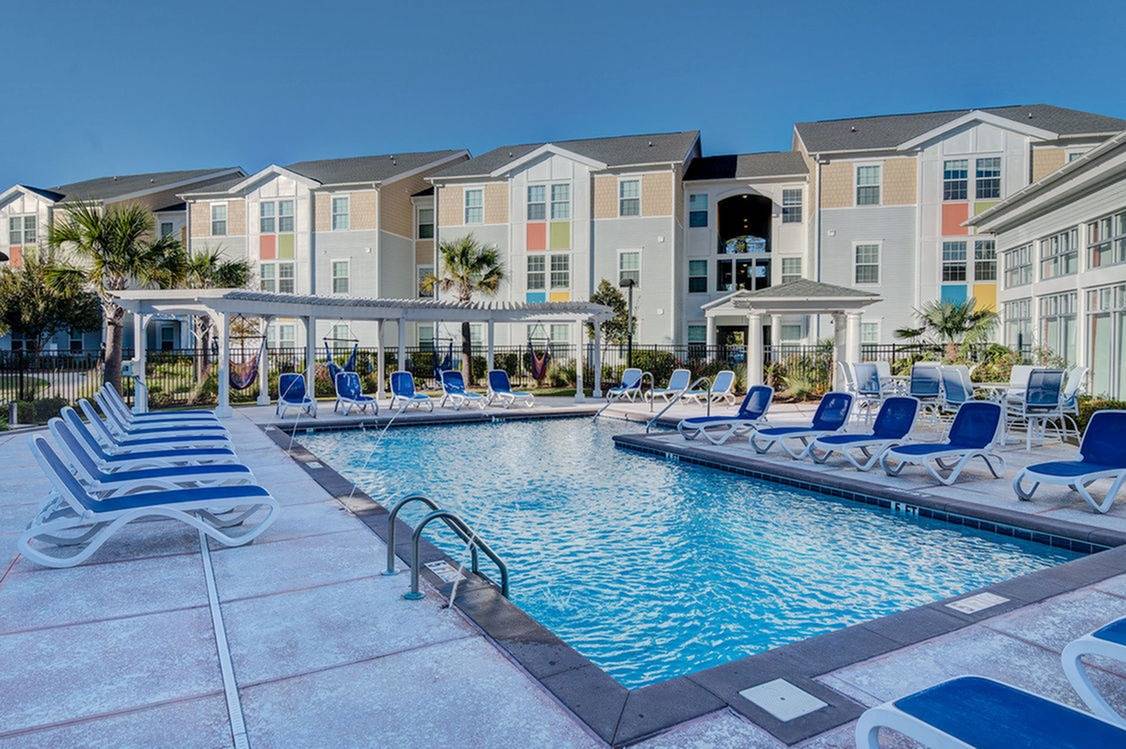
Campus Life & Style Awarded Management of Two Assets
CLS announces it has been awarded the management of two properties, in their continued relationship with Orion Student Housing
AUSTIN, TX — October 17, 2022. Austin-based Campus Life & Style (CLS) — one of the nation’s leading student housing property management firm, announced this week it has been awarded the management of The Cove at Coastal Carolina, a 396-bed property in Conway, SC and University Edge in Waco, TX, a 236-bed property. As of today, both properties are occupied at
98% and 99% respectively.
The Cove is located just minutes from Coastal Carolina University, a short walk from downtown Conway and a quick drive to Myrtle Beach, The Cove offers sophisticated student living that’s truly in a league of its own.

University Edge, located just minutes from Baylor University, offers sophisticated student living that’s truly in a league of its own. Within our community, residents and their friends enjoy our resort-style pool, state-of-the-art fitness center and full-size basketball and volleyball courts.
“We are proud and excited that our successful partnership has yielded more opportunities,” stated Jim Sholders, Chief Executive Officer of CLS. Mr. Sholders added, “CLS performs on its clients’ vision to exact standards without compromise, resulting in market leading occupancies and rent growth. We are excited to partner with Orion Student Housing on these additional deals to create additional real estate value for their assets as we have for ours.” Orion is a joint venture between WFI and Wills Companies focused on the student housing sector.
Collectively, CLS’s leadership has overseen the management and repositioning of approximately $12B in student housing, creating tremendous value for owners, partners, and investors. CLS manages a student housing portfolio consisting of over 28,000 beds inclusive of this latest assignment. The CLS team has built a best-in-class operating platform consisting of exceptionally talented personnel dedicated to providing residents with industry-leading customer service. CLS is the only student housing management company in the U.S. to have participated in The Forbes Travel Guide’s global training platform focused on five-star hospitality and concierge services.
CLS’ select third-party management offering provides clients with an unmatched level of attention, along with unsurpassed talent, knowledge, creativity, and standards of excellence.
“Our third-party management offering provides our clients with an unmatched level of attention, along with unsurpassed talent, knowledge, creativity, and standards of excellence”, said Elliot Tamir, Co-Founder of Vesper Holdings and Campus Life and Style.
CLS partners with every client-owner, using its own assets to bring best-in-class practices in operations, marketing, leasing and every aspect of property development and management to bear for their properties. Besides creative, out-of-the-box thinking, luxe environments and excellence in every aspect of property management, CLS provides world-class service.
#
About Campus Life & Style
Founded in 2015, Campus Life & Style is Vesper Holdings’ property management subsidiary based in Austin, Texas. As one of the largest student housing operators in the industry, CLS manages a portfolio consisting of 60 communities that total over 28,000 beds. CLS’ senior leadership team features one of the most experienced and respected line-ups of student housing professionals in the United States. CLS is helmed by industry veteran Jim Sholders. Prior to joining CLS, Mr. Sholders served as a top executive at American Campus Communities (ACC) and was responsible for the overall fiscal operations, asset management, leasing, and personnel supervision of ACC’s entire owned portfolio.
For more information about Campus Life & Style, visit www.clsliving.com.
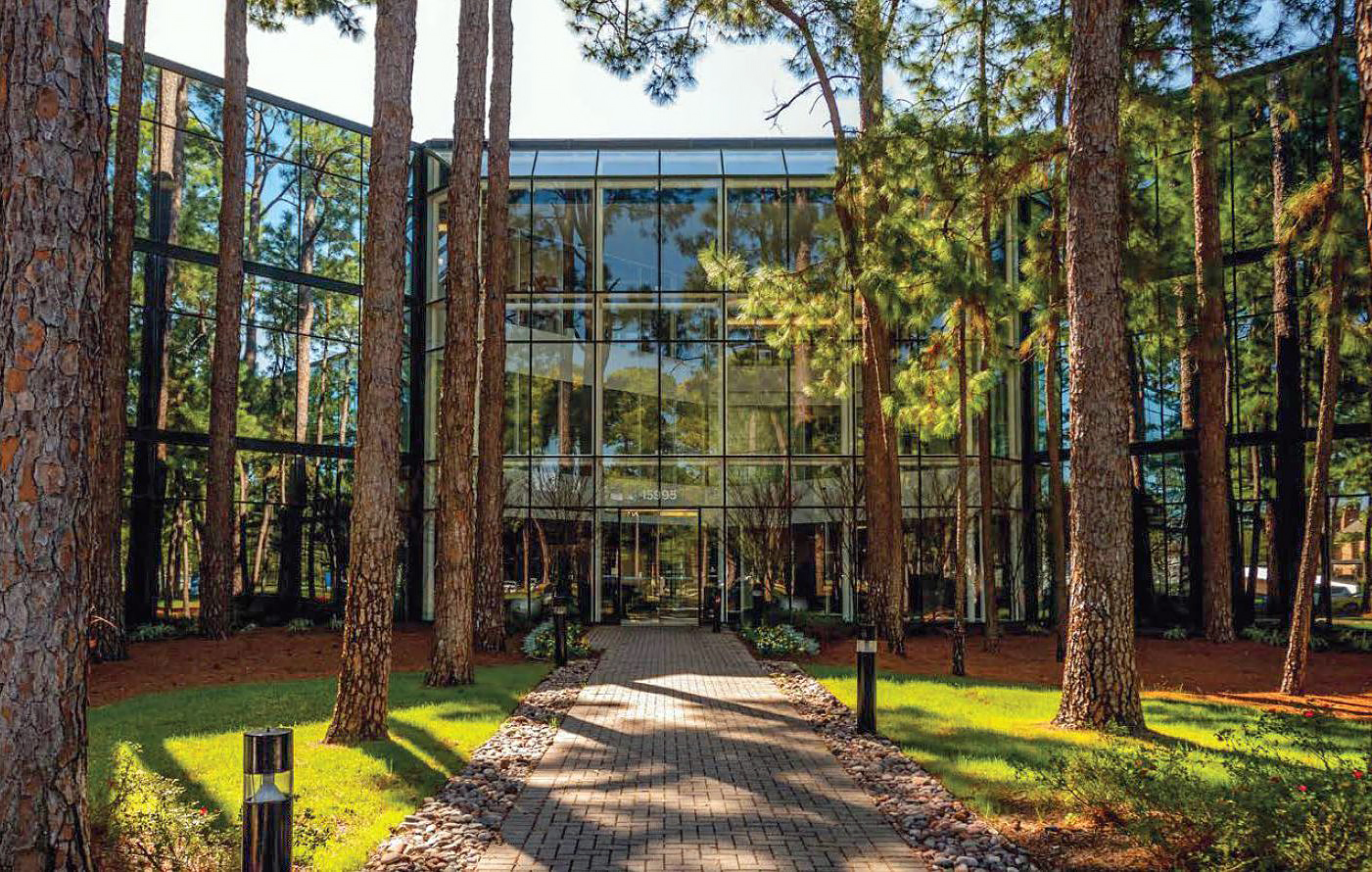
Trinity Consultants Renews 7,089 SF at 15995 N Barkers Landing Rd
Trinity Consultants Inc. renewed 7,089 square feet at 15995 N Barkers Landing Rd in Houston, Texas. Kacie Skeen represented the landlord, Hartman Income REIT.