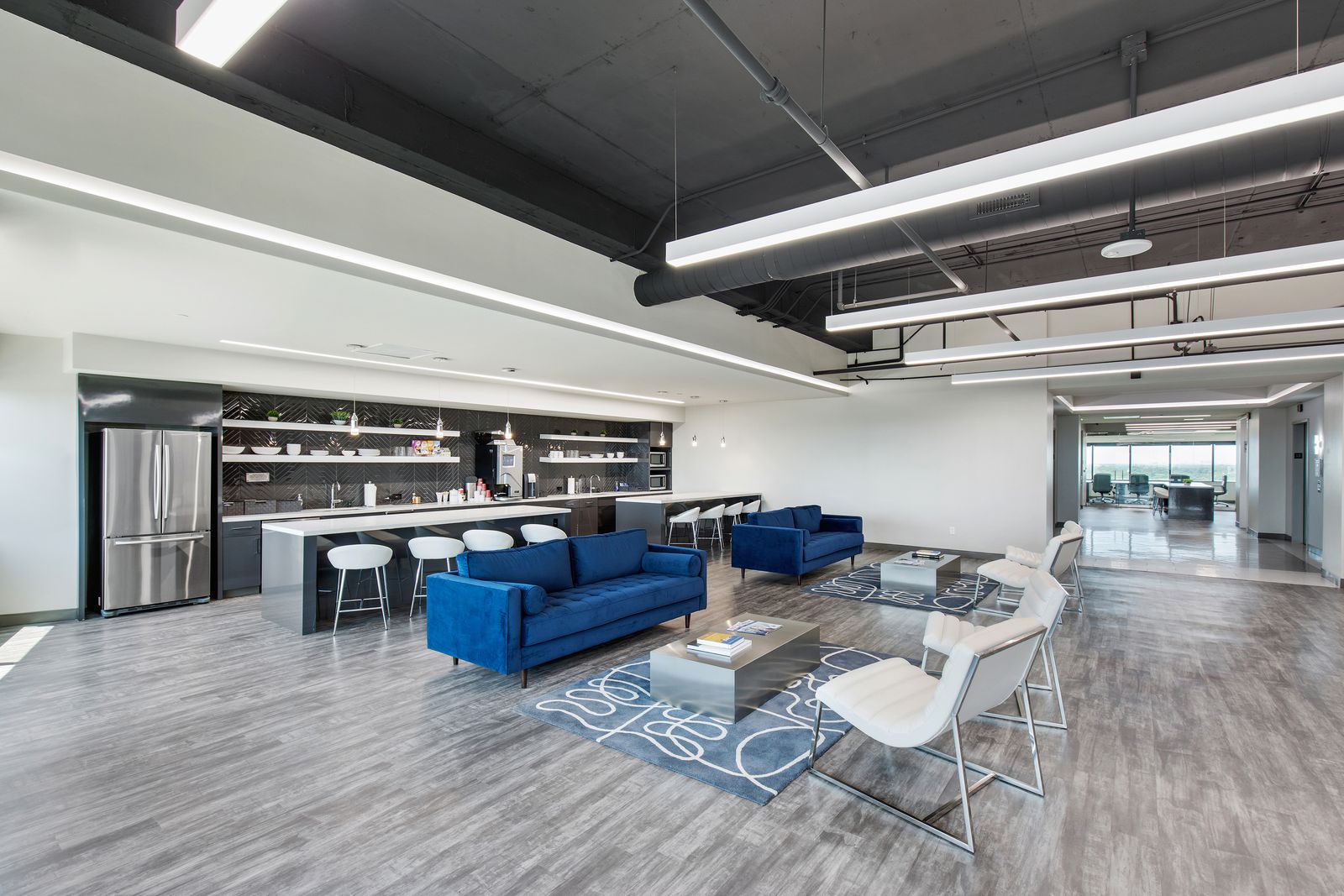
Category One Enterprises, LP leased 2,264 square feet at 8111 LBJ Freeway in Dallas, Texas. Alex Houston and Richard Maloof represented the landlord, Hartman Income REIT.



Your Marketing Source For Texas Commercial Real Estate Reaching 100,000+ QUALIFIED Commercial Real Estate Brokers, Investors, Developers & Commercial Service Providers
Category One Enterprises, LP leased 2,264 square feet at 8111 LBJ Freeway in Dallas, Texas. Alex Houston and Richard Maloof represented the landlord, Hartman Income REIT.
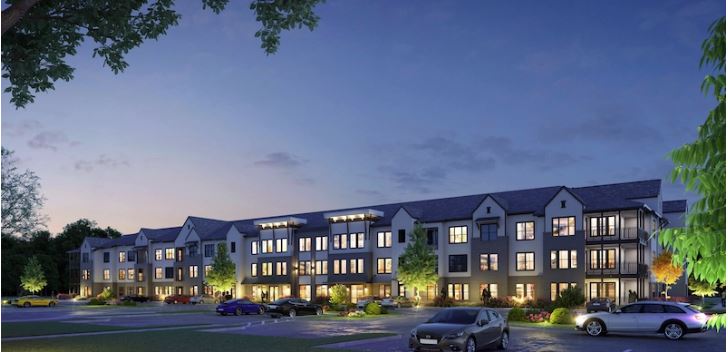
Stryker Properties has closed on a 23-acre multifamily zoned parcel, located close to Celina High School at the SE corner of Legacy and Preston Streets in Celina, Texas.
Stryker is developing the 300-unit market rate garden style apartments as Phase I and is expected to break ground my Q2 of 2023. The project will aid in alleviating housing shortage in Collin County close to a plethora of job opportunities along DNT.
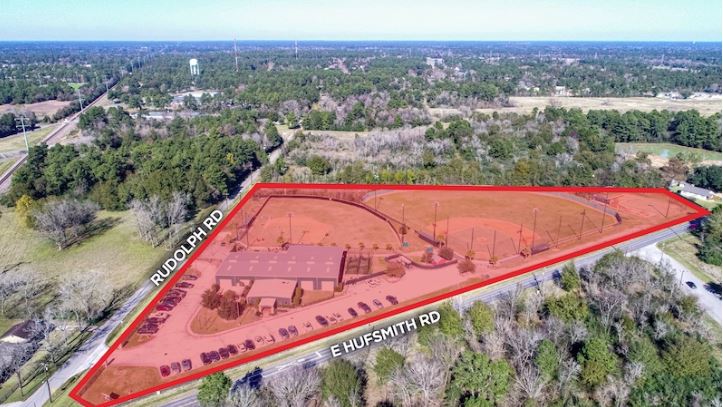
SVN | J. Beard Real Estate – Greater Houston has recently completed the sale of a seven-acre tract of land in Tomball, Texas at the corner of Rudolph Road and E. Hufsmith Road to Equalizer USA Inc., owned by Adam Vetter and Joseph Vetter, for an undisclosed price. Currently being used as a baseball training complex, the special-use property includes indoor training facilities, along with two baseball fields and associated practice facilities.
Jeff Beard, CCIM, of SVN | J. Beard Real Estate – Greater Houston represented the sellers, High Heater LLC. Jacqelyn Prosch of Alpha Commercial Group represented the buyer in the transaction.
“The baseball facility has been a long-time fixture in Tomball for many years and was previously home to Banditos Baseball Club, which recently announced a relocation to Premiere Baseball at 2020 Cypress Rosehill Dr. in Tomball,” said Beard. “Generating multiple offers, the buying interest was strong as a result of the property’s Tomball location and surrounding growth.”
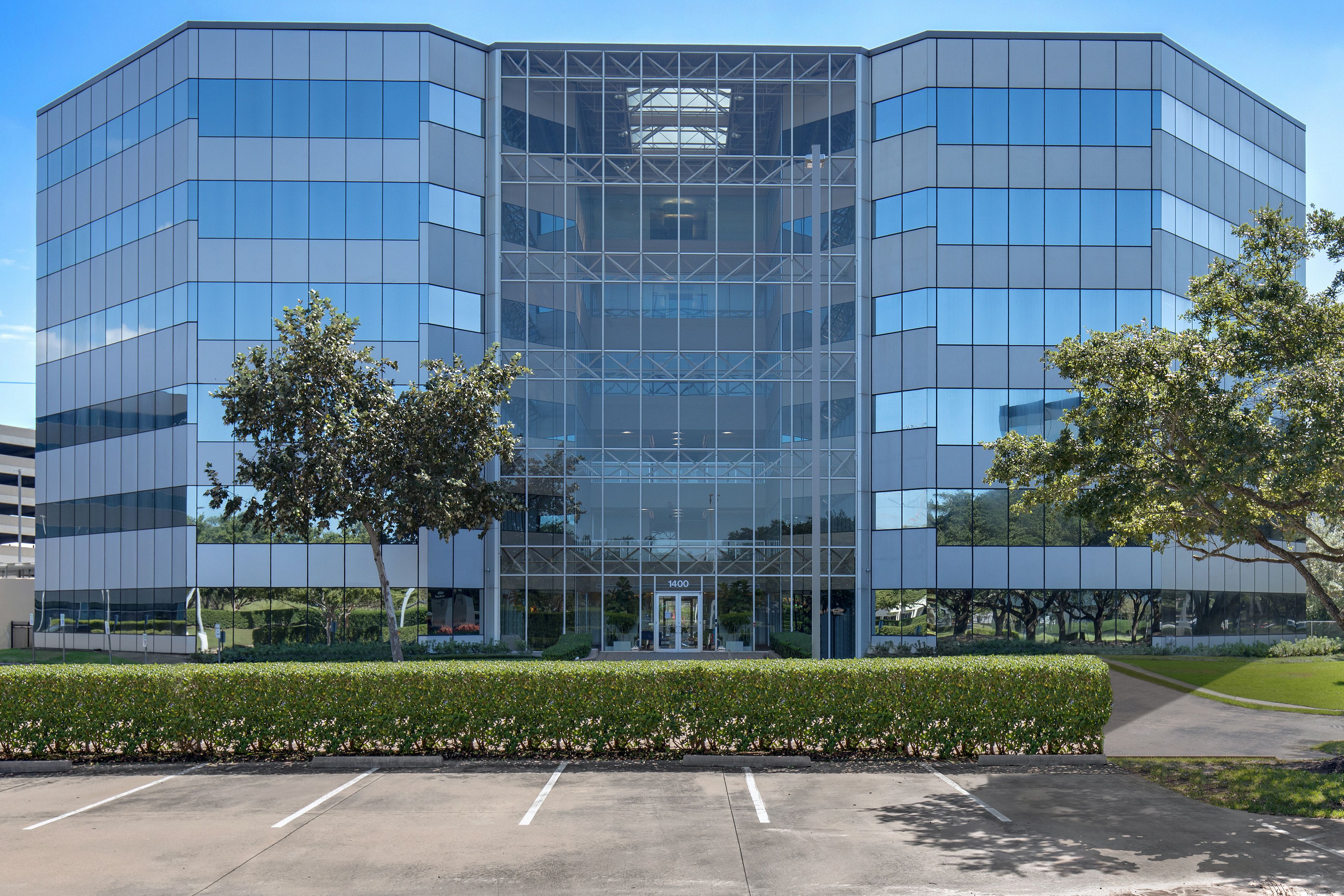
Nova Pension Consulting, LP renewed 3,440 square feet at 1400 Broadfield Blvd in Houston, Texas. Ami Figg represented the landlord, Hartman Income REIT.
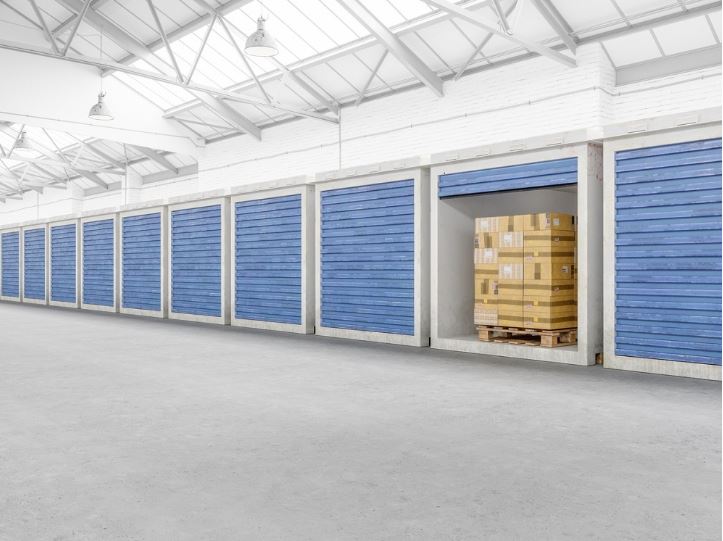
How much extra stuff do Americans bring into their homes each year? StorageCafe says that one in three Americans have so much that they need to rent self-storage units to hold it.
This isn’t a new trend, either. StorageCafe also reports that as of 2022 the amount of self-storage space in the United States had risen to more than 1.6 billion square feet.
Developers aren’t shy about adding new space to the market, either. During the last five years, they’ve built 258.9 million square feet of storage space, equal to 16.1% of the country’s total inventory, according to StorageCafe.
Last year, nearly 45.2 million rentable square feet of self-storage space was brought to the market in the United States. As StorageCafe says, this amount of space could cover all of New York City’s Central Park.
And this demand is showing no signs of lessening, despite rising interest rates and high inflation, said Frank Forcier, director of business development at Store Space, a self-storage owner with Midwest locations in Michigan, Illinois, Indiana, Missouri, Ohio and Wisconsin.
“We’ve had a very good case study with COVID the past few years,” Forcier said. “And it’s proven what we’ve long said: Self-storage is a good investment in good times and self-storage is a good investment in bad times.”
What’s interesting about this is that self-storage is not a need for people. If they are struggling with bills, they’ll pay their monthly apartment rent and not their monthly self-storage fee. Paying for a storage unit is more of a want than a need.
So why, then, is the demand that U.S. consumers have for self-storage space seemingly on a never-ending rise? Why isn’t demand for storage space falling as inflation makes groceries, gas, housing and furniture more expensive?
Forcier says that the reason is simple.
“Americans continue to love to acquire stuff,” he said. “Sometimes people look at the four Ds to explain self-storage: death, divorce, dislocation and downsizing. But there is so much more in people’s lives that spurs the need for self-storage. Those events continue to happen in good times and bad.”
For instance, homeowners might move to a smaller house. Instead of donating or throwing away their extra stuff, they might choose to store some of their items in a self-storage unit. Others might be moving to a larger space as their families grow. As they are trying to sell their home, they’ll turn to self-storage to store much of their personal belongings to remove the clutter from their current residence while it’s on the market.
Businesses, too, often turn to self-storage. Many businesses have downsized to smaller office space during the COVID-19 pandemic. They, too, might rent a self-storage space until they determine what to do with their extra furniture and equipment.
During the pandemic, many homeowners turned extra space into home offices, classrooms and workout facilities. To make room for these new uses, they placed plenty of furniture in self-storage facilities.
Even sports leagues turn to self-storage as a place to store their nets, balls, cones and other equipment, Forcier said.
“We rent self-storage space on a monthly basis,” Forcier said. “We are easy to get into and out of, unlike a lot of facilities where you are forced to take out longer leases. We laugh at all the stuff Americans have. But people are acquiring more and more stuff. We love our stuff. I don’t see that changing in the future.”
That doesn’t mean that professionals working in the self-storage space don’t have concerns. Forcier said that one of the hot topics in the self-storage industry today is whether certain markets are overbuilt when it comes to storage units.
The self-storage space, though, operates a bit differently than do other commercial sectors. As Forcier says, self-storage operates on a hyper-local basis. Most self-storage facilities only draw customers from within five miles of their locations. This means that it doesn’t matter if a rival self-storage facility sits 20 miles away. That facility is not considered a direct competitor.
Rising construction and operating costs – thanks largely to rising material and labor costs – are a concern for self-storage owners and investors, too, Forcier said.
It’s true that it costs less to build a self-storage facility than it does to build a hotel or apartment building. That doesn’t mean, though, that rising costs don’t still impact self-storage owners.
“Rising prices come into play regardless of whether we are less expensive than a hotel,” Forcier said. “Land prices are rising. All the soft costs regarding permitting and regulation are rising, too. Labor and materials cost more today. This is creating headwinds for all of us.”
But still, the owners of self-storage spaces are still realizing good returns on their investments, Forcier said.
“We are figuring out a way to work around the higher costs, just like anyone would,” Forcier said. “The pipeline of new self-storage facilities continues to get bigger and bigger. There is so much interest from developers and from new investors in this segment. With all the new players, it will be interesting to see how competitive this industry gets. A lot of people are entering this sector because the word has gotten out that this is a great asset to be in.”
One important benefit to owners is that self-storage facilities require little staffing. They also last for a long time, with Forcier saying that it’s not unusual to have a 1980s-built facility that is still relevant to today’s customers.
This sets self-storage facilities apart from other asset classes such as hotels, apartments and offices, where owners have to frequently replace carpets or furniture or make other updates on a more frequent basis.
At the same time, self-storage facilities cost little to operate while generating high returns.
Forcier said that there is about 50,000 self-storage facilities in the United States. Only about 30% are owned by REITs and large groups, he said. The rest are owned by independents. That 30% figure, though, is growing larger, Forcier said.
“There is a growing interest from larger investors who want to get into this sector,” Forcier said. “They are buying up the independent facilities.”
As with all CRE sectors, higher interest rates have had an impact on investor demand. Forcier said that these higher rates will slow the pace of self-storage acquisitions, but not by a lot. He said he has seen self-storage deals that have been put on pause, and others that have fallen apart.
But for the most part, investors will continue to seek self-storage assets because their benefits outweigh the higher costs brought on by rising rates, Forcier said.
“A lot of these large investor groups have big buckets of money that they need to spend,” Forcier said. “They will continue to spend.”
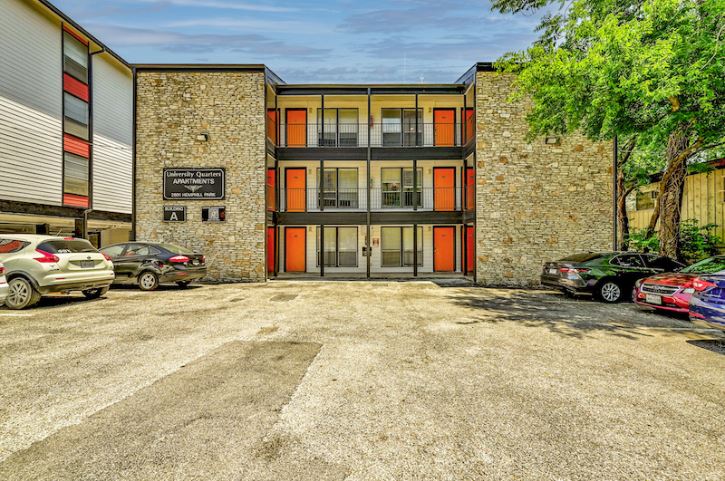
Greysteel has arranged the sale of an 84-unit multifamily property located in Austin near the University of Texas. Senior Directors J.R. Ellis and Jack Stone based respectively in the company’s Austin and Dallas Offices negotiated the transaction on behalf of the seller.
University Quarters is a multifamily community within walking distance of The University of Texas campus, consisting of four buildings – built between 1973 and 1978 – and 84 units in total. The property offers all one-bedroom units averaging 450 square feet in size. University Quarters is within a 12-minute walk to the heart of campus as well as a significant number of restaurants, stores, and entertainment outlets along Guadalupe Street, West Campus’s main retail corridor.