Pandemic Changed the Way Renters Searched for Apartments, Too

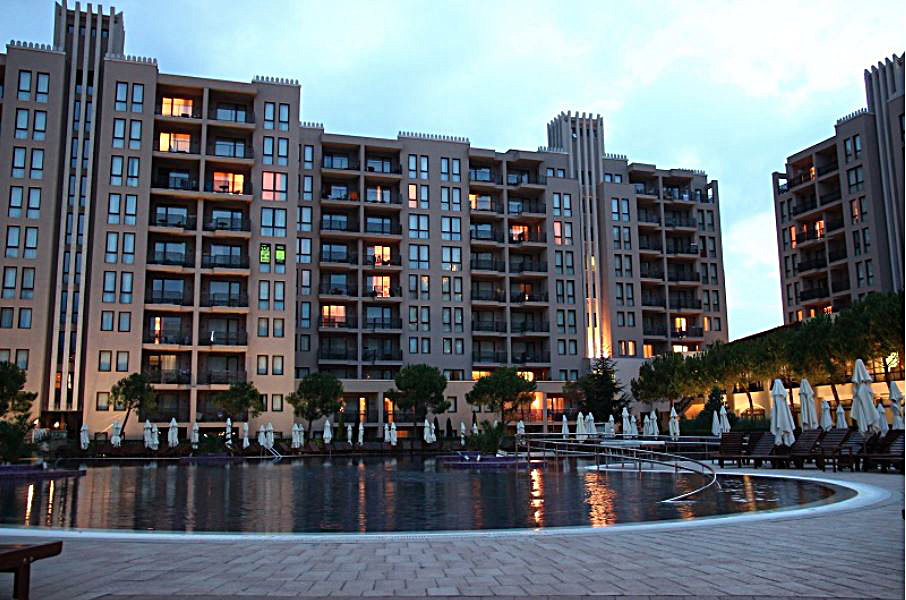
The COVID-19 pandemic has changed the way many people live. But it’s also changed the way in which renters search for apartments, according to new research from Point2, a site that covers real estate market trends.

Point2 analyzed Google searches to determine what renters have been looking for when searching for an apartment. Researchers found that certain search phrases appeared in 2020 and 2021 that renters rarely used in years past.

An example? Point2 found that renters during the last two years have increasingly used the phrase “rent relief” when conducting a Google search for apartments. According to Point2, this phrase was included in 90 searches a month in 2019 but 9,900 in 2020 and 49,500 in 2021.

The phrase “eviction moratorium” was searched only 40 times a month in 2019 but 40,500 times a month in 2020 and 201,000 times a month in 2021.

And also in 2020? Point2 said that the keyword “subleasing” increased 22 percent when compared to a year earlier.

Why Investors Are Bullish on Commercial Real Estate

Optimism is back for commercial real estate. Property performance through the third quarter of 2021 reflects considerable gains for real estate investors, while interest rates and inflation are of limited concern to the asset class.

Investment returns for institutional-quality properties hit a 15-year high in the third quarter of 2021, according to the National Council for Real Estate Investment Fiduciaries (NCREIF). NCREIF tracks institutional-quality commercial property and fund performance, using data provided by its investment-management members.

The NCREIF Property Index (NPI) total return for Q3 2021 was 5.2%, comprising a 1% income return and a 4.2% capital return (or appreciation). The last time the NPI quarterly total return was over 5% was Q4 2005. For context, the 20-year average quarterly total return is 2%.

Q3 2021 commercial property performance was stunning. But it is also impressive given the very short and shallow depreciation cycle in 2020. Depreciation, as measured by the capital return, lasted only two quarters (Q1 and Q2 2020) and resulted in cumulative depreciation of only 2.7%. As a result, commercial property values in the NPI are already 5% above their pre-pandemic peak. Click to read more at www.nasdaq.com.

Houston-Based Asset Living Acquires JMG Realty

Asset Living, a Houston-based leader in the property management sector, announced today that it has acquired JMG Realty, a real estate company specializing in the development and management of multi-family communities, headquartered in Atlanta. With the addition of JMG, Asset Living expands its footprint into the Southeast by adding more than 20,000 multi-family units and a new corporate office in Atlanta. This is the second acquisition for Asset Living in 2021.

“We began our conversations with Ryan McGrath many months ago and are delighted to be joining the Asset Living brand that shares similar principles as well as a history of establishing a loyal client base throughout the years,” said Karlton Jackson, CEO of JMG Realty. “After working with Ryan’s team to make this acquisition possible, I am confident that we’ll accomplish many amazing things together in 2022 and beyond.”

With over two decades of experience and approximately 575 employees, JMG Realty brings expertise in management, redevelopment, financial, and investment services for multi-family, affordable, and build-to-rent real estate properties servicing both private and institutional owners. The company has both regional and divisional offices located throughout the Northeast, Mid-Atlantic, Southeast, and Southwest.

“I’m excited to welcome JMG to the Asset Living family—it was an honor to collaborate with both Karlton and Tim to make this venture a reality,” said Ryan McGrath, CEO and President of Asset Living. “Don’t be mistaken, just because the acquisition is official doesn’t mean that we’ll be slowing down anytime soon. Now, the real work begins. Our plan is to continue this momentum of growth into the new year.”

This acquisition is an investment in Asset Living’s multi-family, affordable and build-to-rent portfolios from both a growth and geographical expansion perspective. The change will also bring new opportunities and resources to JMG employees, who will also have access to new tools and technologies to best serve clients.

“This is an exciting time to be joining the Asset Living brand,” said Tim Brock, President of JMG Realty. “We’ve been so impressed by Asset Living’s ability to grow while maintaining best-in-class client service, and we’re excited to bring that same drive to the Southeast.”

In November, Asset Living announced the company had acquired Dallas-based City Gate Property Group. Last year, Asset Living strategically acquired three organizations, growing by more than 60 percent in one year. McGrath plans to continue expanding the company’s footprint to bring Asset Living’s partners industry-leading talent and an enhanced suite of services.

Houston Office | Monthly Market Snapshot | December 2021

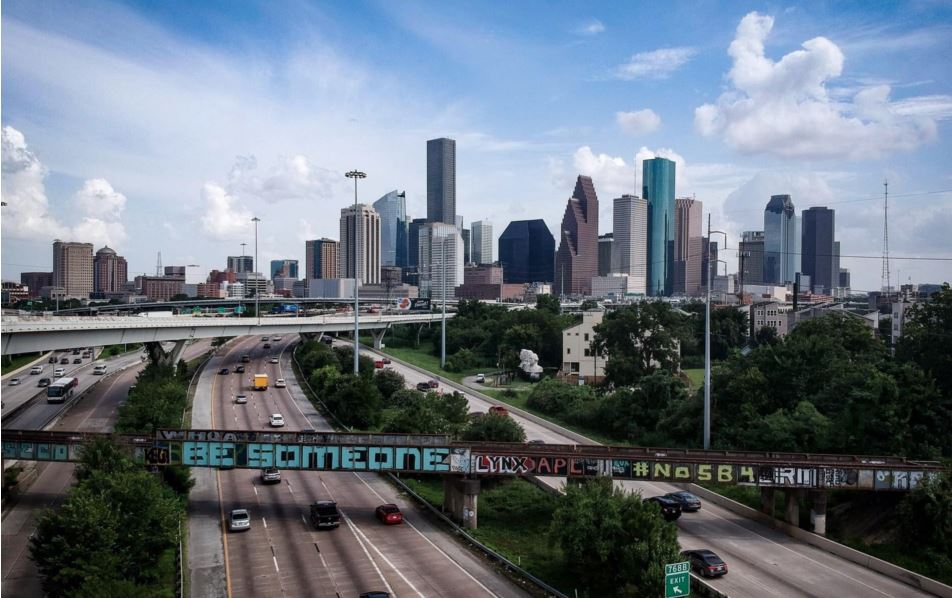
Houston Office market vacancy at 25.4%.

HOUSTON OFFICE VACANCY STILL PUSHING UPWARDS
The vacancy rate increased 180 basis points to 25.4% as of November 30, compared to this time last year at 23.6%. Almost 2.6 million sq. ft. has been delivered to the market in 2021, with half of that space available for lease. At a time when leasing activity hasn’t returned to pre-pandemic levels, overall office net absorption registered at negative 2.4 million sq. ft.

CONSTRUCTION JUST UNDER 2.5 MILLION SQ. FT.
As of year-to-date November 30, 2021, there is 2.4 million sq. ft. under construction, representing non-owner-occupied buildings 20,000 sq. ft. and over. The submarket with the most square footage under construction is the Texas Medical Center, underscoring continued momentum toward life sciences office product. Texas A&M and partner Medistar are underway on construction of the 510,000-sq.-ft. Horizon Tower—a state-of-the-art life sciences building—at 6929 Main Street, which is expected to deliver in Q1 2023.

FUTURE JOB GROWTH EXPECTED FROM SECTORS OTHER THAN ENERGY
Houston shed 361,400 jobs at the start of the pandemic, but the metropolitan area has since recovered about 74.4% of those positions, according to the Greater Houston Partnership’s annual employment forecast. About 8,700 jobs are expected to be added in the professional, scientific, and technical services sector, which includes office-using industries such as accounting, engineering, architecture, and law to name a few. However, it’s not clear how many of the office-using jobs will translate to the need for more office space. Click to read more at www.naipartners.com.

‘All-Out’ Race For Commercial Real Estate In North Texas Could Stay Just As Hot In 2022

FORT WORTH (CBSDFW.COM) – No doubt the North Texas real estate market saw unprecedented interest in 2021.

Real estate experts say it wasn’t just residential properties catching the eyes of hopefuls, but commercial listings too.

Luis Pina, the owner of Accent Commercial Real Estate in Dallas, says investors and business owners looking to score commercial properties in North Texas were in an all-out race.

Pina said, “After March of this year, people just went to the streets and started buying everything they could find.”

So much, he says, that now there are very few available listings in the commercial real estate sector.

Pina adds that many businesspeople both local and from out of town are specifically interested in buying retail space like strip malls and warehouses. Click to read more at www.dfw.cbslocal.com.

A Big Year for CRE Investment in 2022? How About a Record Year?

CBRE is predicting a record-setting year for investment in commercial real estate in 2022, thanks to pent-up demand from the COVID-19 pandemic, major fiscal stimulus projects and a rebound of big cities and downtowns. That’s the good news in the company’s latest look at the state of the country’s commercial real estate market, the 2022 U.S. Real Estate Outlook.

How busy is 2022 expected to be? CBRE says that it expects to see a 4.6 percent gain in U.S. gross domestic product next year as businesses and real estate continue their recovery from COVID-19 and any government restrictions that have resulted from it. Investment volumes are expected to increase by 5 percent to 10 percent for the year as low-interest rates and a rebound of international travel fuel demand.

And in good news for big cities, CBRE predicts that downtowns will bounce back as international travel and society’s gradual return to the office boost demand for offices, stores, restaurants and apartments.

“Our outlook for U.S. commercial real estate next year is positive due to a number of tailwinds overriding deterrents such as inflation,” said Richard Barkham, CBRE’s Global Chief Economist and Head of Americas Research, in a statement. “COVID-19 flareups still pose a risk, but governments and health authorities appear to have made progress in containment and treatment. We see this rising tide further buoying the capital markets, multifamily and industrial and logistics sectors and aiding the burgeoning recoveries of the retail and office sectors.”

CBRE anticipates that federal policy measures such as spending on infrastructure and social programs will add momentum to economic growth. Meanwhile, inflation will moderate through 2022 so that it amounts to 2.2 percent across the full year. CBRE foresees the Federal Reserve starting to raise the Federal Funds Rate by the end of 2022.

And how will individual CRE sectors fare?

Capital Markets:

CBRE says that investment volumes should increase by 5 percent to 10 percent. Industrial and logistics and multifamily remain the darlings, but investment in office and retail will perk up for the right assets in the right markets. Capitalization rates will hold steady as strong demand for assets offsets eventual interest-rate increases.

Office and Occupier:

The office market will remain favorable for occupiers because of elevated vacancy rates. The gradual recovery of office demand and leasing activity will carry over into 2022, although the timing of the large-scale return to the office may be affected by the omicron variant. Employers will favor buildings with numerous amenities and collaboration space to appeal to employees. The life-sciences sector has emerged as a growth leader, with both lab rents and the construction pipeline at record highs.

Retail:

CBRE is predicting a solid year for retail in 2022, estimating 10-year highs for leasing and investment activity in U.S. retail real estate next year. Retailers will benefit from pent-up demand fueled by the personal savings that consumers built up during the pandemic. Investors will favor grocery-anchored centers, neighborhood centers, open-air centers and single-tenant, drive-through buildings.

Industrial and Logistics:

This sector should enjoy another banner year in 2022, propelled by e-commerce growth and retailers storing more inventory as a hedge against supply chain disruptions. High transportation costs should ease as congestion at U.S. ports and other supply chain links slowly resolves throughout 2022. Third-party logistics firms will benefit from increased outsourcing of logistics functions.

Multifamily:

CBRE sees U.S. multifamily occupancy remaining above 95 percent and net effective rents growing by 7 percent in 2022. Construction completions will hit a new high of more than 300,000 units, reining in performance of high-quality complexes. Occupancy in urban apartments continues to recover as the pandemic recedes.