People Need More Space, Fortunately for Self-storage

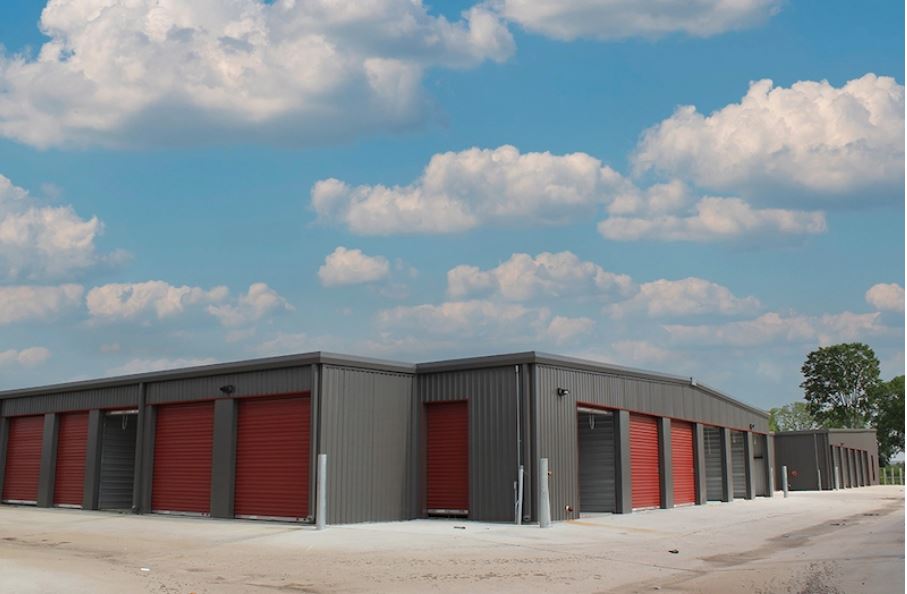
City living comes with cons—and for many, it’s sacrificing square feet. Fortunately for the self-storage sector, less space in the home means more is needed outside of it, causing an increase in storage units near multifamily hotspots.

The decade marked high construction volumes across the U.S., with almost 350 million square feet of storage space delivered from 2012 to 2021, 22% of overall existing inventory. Over the same time, 3.1 million new apartments in 50+ unit buildings were added, and 427,000 new rentals were added to the national market last year alone. But not all metros were created equal—RentCafe and YardiMatrix recently analyzed the country’s largest metros to identify the places self-storage is doing the best, in correlation with a growing apartment market. Chicago was No. 4.

From 2012 to 2021, Chicago added 11.5 million square feet of storage space and almost 72,000 multifamily units, reaching a peak for self-storage construction in 2016 with 2.1 million square feet of space delivered. Yet it’s just the start of what’s to come.

Developers are currently amping up their construction efforts to keep up with demand, despite economic challenges, with 2.6 million square feet of storage space currently planned and under construction.

Still, Chicago’s numbers are low in comparison with metros like Dallas and Houston. People continue to relocate to the Lone Star State from hubs like San Francisco, New York City, and even Chicago, bolstering its economy more and more.

One of the most popular relocation destinations in the country—Dallas-Fort-Worth-Arlington—saw a 17% population growth over the past decade, based on the report, leading, naturally, to increased demand for both housing and self-storage, and the market was quick to respond. Nearly 200,000 new apartments and 20+ million square feet of storage space was delivered during the decade, the most in any metro across the U.S.

Of course, Dallas’s quick recovery post-pandemic allowed for the resuming of construction much sooner than other markets. Almost 2.4 million square feet of new storage space and 26,000 new apartments delivered in 2021, according to RentCafe.

As for Houston, RentCafe also found that young professionals continue to flood in with the likes of Hewlett Packard, Maddox Defense, Axiom Space and Sun Haven relocating to the metro in the past few years alone, resulting in 15 million square feet of new storage space and 142,000 apartments delivering during the decade.
A Bit of Cheer: Holiday Travelers Returning to Hotels This Year

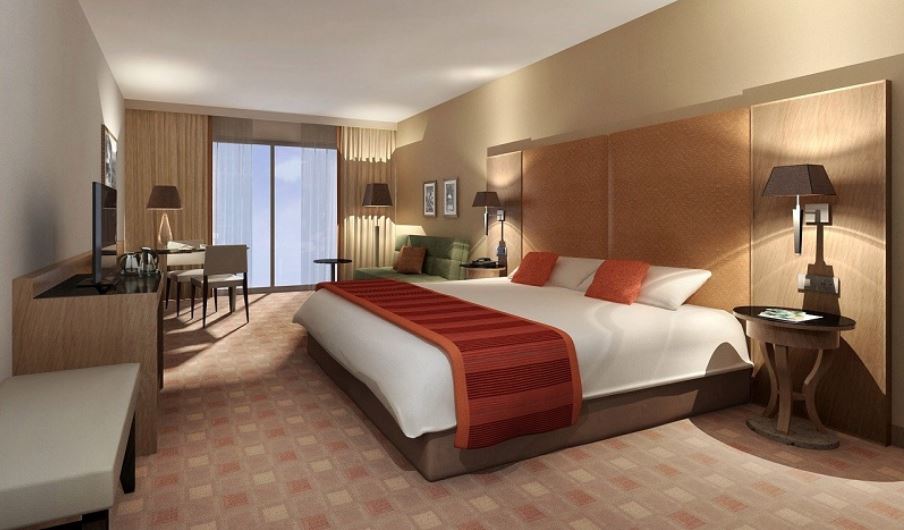
Another sign that the hotel industry is on the mend? The number of holiday travelers this year who plan to stay in hotels is on the rise, according to the Hotel Booking Index Survey from the American Hotel & Lodging Association.

The survey, conducted by Morning Consult, also says that hotels are cited as the top lodging choice among those who say they are certain to travel for leisure in the next three months.

The lodging association’s Hotel Booking Index (HBI) is a new composite score gauging the short-term outlook for the hotel industry. The 1-through-10 score is based on a weighted average of survey respondents’ travel likelihood in the next three months (50%), household financial security (30%) and a preference to stay in hotels for travel (20%). Based on the results of the survey, the AHLA Hotel Booking Index for the next three months is 7.1, or very good.

The survey found that the share of those who plan to stay in hotels during their holiday travels this season is on the rise. According to the results, 31% of Thanksgiving travelers plan to stay in a hotel during their trip, compared to the 22% who planned to do so last year. A total of 28% of Christmas travelers plan to stay in a hotel during their trip, compared to 23% who planned to do so last year. Among those absolutely certain to travel for leisure in the next three months, 54% say that they plan to stay in a hotel, according to the survey.

The survey didn’t bring only holiday cheer, however. The lodging association reported that overall holiday travel levels will likely remain flat, with 28% of Americans reporting they are likely to travel for Thanksgiving and 31% likely to travel for Christmas this year – compared to 29% and 33%, respectively, in 2021.

The survey also found that concerns about COVID-19 are fading among travelers but are being replaced by economic challenges like inflation and high gas prices. The survey found that 85% percent of respondents reported that gas prices and inflation are factors they are considering when deciding whether to travel during the next three months. That compares to 70% who said the same about COVID-19 infection rates.

The survey of 4,000 adults was conducted Oct. 14-16. Other key findings:

59% of adults whose jobs involve travel said they are likely to travel for business in the next three months, with 49% among them planning to stay in a hotel during their trip. In 2021, 55% of adults whose jobs involve travel said they were likely to travel for business during the holiday season.
64% of Americans would be concerned about delays or cancellations if they traveled by plane right now, with 66% of these respondents reporting a lower chance of flying this holiday season as a result.
61% of Americans say they are likely to take more leisure/vacation trips in 2023 than they did this year.
58% of Americans are likely to attend more indoor gatherings, events or meetings in 2023 than they did this year.
66% of Thanksgiving travelers and 60% of Christmas travelers plan to drive to their destinations, compared to 24% and 30%, respectively, who plan to fly.
“This survey bolsters our optimism for hotels’ near-term outlook for a number of reasons,” said AHLA president and chief executive officer Chip Rogers, in a statement. “The share of holiday travelers planning hotel stays is rising, plans for business travel are on the upswing and hotels are the number-one lodging choice for those certain to travel for leisure in the near future. This is great news for our industry as well as current and prospective hotel employees, who are enjoying more and better career opportunities than ever before.”

MAG Capital Partners Acquires Industrial Properties

Tenanted by Lubbock Electric in Sale-Leaseback Deal

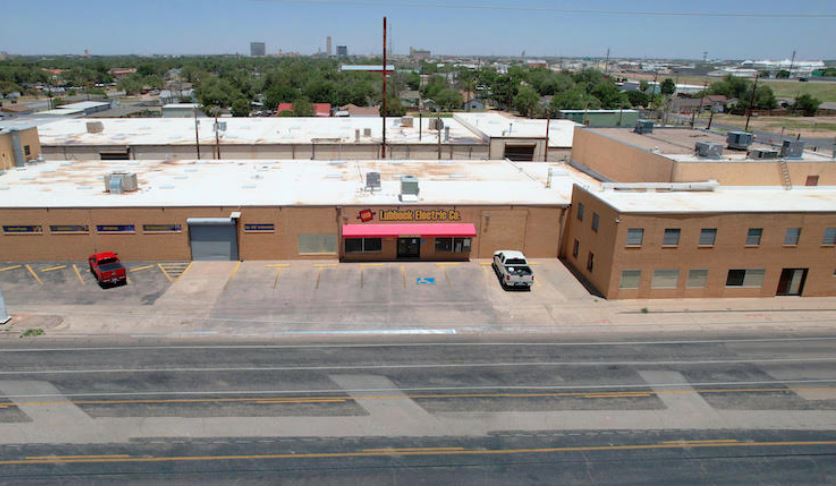
In a sale-leaseback transaction, MAG Capital Partners, LLC, acquired several industrial properties totaling 66,680 square feet along I-27 that occupy a full city block in central Lubbock, Texas. Home to Lubbock Electric Co., the site comprises 1108 34th Street and 1107, 1109, and 1123 33rd Street.

Principal of MAG Capital Partners, Dax T.S. Mitchell, said, “We are attracted to the City of Lubbock’s economic development initiatives and its diversified manufacturing base, coupled with the opportunity to acquire infill industrial real estate.”

Northmarq’s Scott Briggs and David Read represented the seller, a private investor who concurrently purchased Lubbock Electric to expand the family-owned business that was founded in 1944.

Lubbock Electric Company’s experienced team of electric motor experts, compressor specialists, hydraulic pros, electricians, automation programmers and panel builders solve some of the toughest challenges in West Texas. Its mission is to keep industry running and prevent machine downtime.

Dallas-based Investor Picks up Fort Bend County Self-storage Facility

JLL Capital Markets has completed the sale of Savannah HWY6 Self Storage, a 678-unit, recently completed self-storage facility in Rosharon, Texas.

JLL represented the seller, Quintet Capital Group, in the sale of the property to Dallas-based Montfort Capital Partners.

Completed in September 2022, Savannah HWY6 Self Storage consists of six single-story storage buildings and 900 square feet of office space. The Class A facility is 75% climate-controlled and offers drive-up units, cylinder locks, gate access and on-site management.

Savannah HWY6 Self Storage is positioned on a 6.14-acre site at 14215 Hwy 6 in Fort Bend County, which is the fastest-growing county in the U.S. The property has excellent visibility to Hwy 6, which offers visibility to more than 30,000 vehicles per day. The immediate area surrounding Savannah HWY6 Self Storage has seen rapid population growth and commercial development over the last 20 years, including 3,000 new homes to be delivered in Sienna Plantation South.

The JLL Capital Markets Investment Sales and Advisory team that represented the seller was led by Managing Directors Steve Mellon and Brian Somoza, and Directors Adam Roossien and Matthew Wheeler.

Hines Signs Sino Biological as a Tenant at Levit Green

a 53Ac Life Science District in Houston

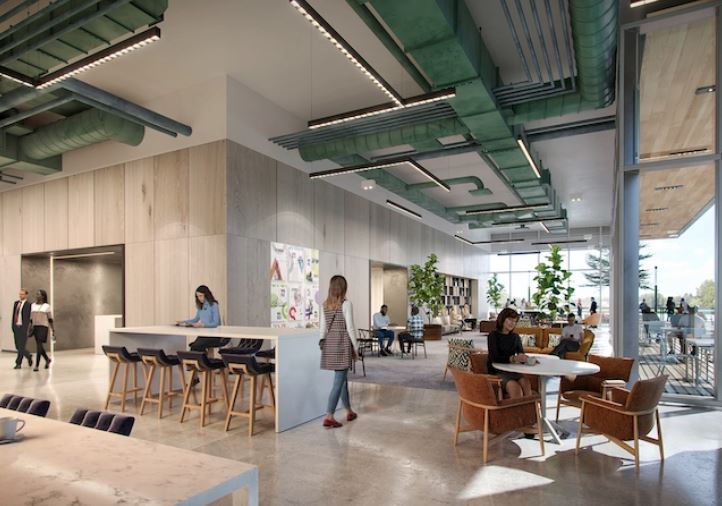
Hines, a global real estate investment, development, and property manager, in partnership with 2ML Real Estate Interests and Harrison Street, announced a lease at Levit Green, the new 53-acre mixed-use life science district adjacent to the Texas Medical Center in Houston, Texas. Sino Biological, Inc., an international reagent supplier and service provider, has leased approximately 10,000 square feet of commercial lab and office space in Levit Green’s first phase, which is slated for completion at the end of this year.

Headquartered in Beijing, China with subsidiaries in Suzhou, China; Taizhou, China; Frankfurt, Germany; and Wayne, Pennsylvania and listed on the Shenzhen stock exchange subsidiary ChiNext (SZSE: 301047), Sino Biological is the world’s leading provider of mammalian cell-based recombinant proteins, antibodies and related contract research services. This new site serves as the company’s first US-based manufacturing facility. Referred to as the Center for Bioprocessing (C4B), the facility will focus on both product manufacture and the implementation of contract research services. Levit Green will further establish its presence in Houston, providing companies, academics, and medical researchers in the world-renowned Texas Medical Center and across the region invaluable access to Sino Biology’s comprehensive offering of bioreagents and CRO services.

To meet the market’s need for immediate lab-ready space, Hines is also delivering two commercial lab and office turn-key suites, at 11,000 square feet and 7,000 square feet, which will be ready for occupancy by Summer 2023. This in-demand laboratory offering will give potential tenants the flexibility to accommodate constantly evolving science needs. The turn-key suites have been designed to an optimal 60%-40% lab-to-office ratio, to accommodate any wet or dry lab R&D use, such as biology, chemistry, and engineering.

Building I at Levit Green—a 290,000-square-foot, five-story building with wet lab and incubator space—is part of the broader nine-building Levit Green masterplan, which will offer a curated mix of research facilities, office, retail, residential, and outdoor amenities. It is equipped with 100% redundant emergency power, enhanced structural vibration attenuation, augmented mechanical systems, 33-foot structural bay depths, and floorplates of more than 60,000 square feet. Additionally, the building will feature best-in-class amenities that include a 5,800-square-foot fitness center and outdoor garden, a 7,000-square-foot conference center, 3,500 square feet of café and restaurant space, and ample on-site parking. The ground floor plan is also programmed to accommodate more than 25,000 square feet of lab incubator space which will provide entrepreneurs and early-stage life science companies with top-tier, strategically located laboratory and office space.

Building I is slated for completion in late 2022, with Sino Biological’s occupancy anticipated for the Q3 2023. JLL represented Levit Green in the lease.

Still Quitting? Waiters and Fast-food Workers are Seeking Greener Pastures

Fast-food workers, chefs and waiters are quitting their jobs at a faster rate than are any other workers, according to a study released last week.

The study, from document-management tool SmallPDF, analyzed numbers from the Bureau of Labor Statistics to score every industry’s quit rates, the percentage of total workers quitting an industry every month, and quit levels, a measurement of how many employees quit in total each month.

According to SmallPDF, the accommodation and food services industry saw an average of 5.8% of its workforce quit between April and August of 2022, the period in which the study was done. That industry includes chefs, waiters and fast-food workers.

More than 773,600 of these employees left every month on average during SmallPDF’s study. In August of 2022, 128,000 more workers in the accommodation and food services industry left their jobs than did during the same month a year earlier. It’s little surprise, then, that fast-food and other restaurants are struggling to hire enough workers.

In second place in the survey was the retail trade industry, which includes jobs such as customer-service representatives, cashiers and stock clerks. An average of 600,400 employees quit these jobs every month from April to August of 2022. In good news for this sector, though, about 109,000 fewer employees quit these jobs this August compared to the same month in 2021.

The arts, entertainment and recreation industry ranked third on the list, a sector that includes fitness trainers, recreation attendants and musicians. About 7,000 more employees quit these industries in August of 2022 compared to August of 2021.

Fourth place goes to the professional and business services industry, including lawyers, accountants and architects. About 754,000 employees quit every month between April and August. The quit rate was, on average, 3.36% during these months. In a sign that workers are holding onto their jobs a bit more in these fields, August 2022’s quit number came in at 63,000 fewer employees than the quit level of August 2021.

Rounding out the top five is the transportation, warehousing and utilities industry, which includes pilots, bus drivers and truck drivers. An average of 199,400 quits took place in these industries every month from April and August of this year. August 2022’s quit level in these industries came in at 32,000 employees higher than August 2021’s level.